
The clock is the enemy.
I do know why time is so exhaustingly complicated in Thai. I'm so sorry in advance, but you'll learn some history with it (that I remember learning in second grade). It started back in time when people didn't have clocks in their homes (I think) and they had to rely on the responsible people of the community to let everyone know the time. They used different instruments to make the sounds based on the time of the day. There is a formal way to tell time, which is wayyy easier for a foreigner to learn, but Thai people are used to our ancient way of telling time. I'll teach you both, but for this lesson, we're going conversational.
The first ones let's learn the word for noon and midnight. It's the same word. Back in the days they would fire a gun at noon to mark the middle of the day so there's this phrase "ไกลปืนเที่ยง", which means far away from the noon gun. It means that you live in the middle of nowhere so you might not be caught up with the time.
| word | meaning | pronunciation |
|---|---|---|
| เที่ยง | noon | |
| เที่ยงคืน | midnight |
ตี...
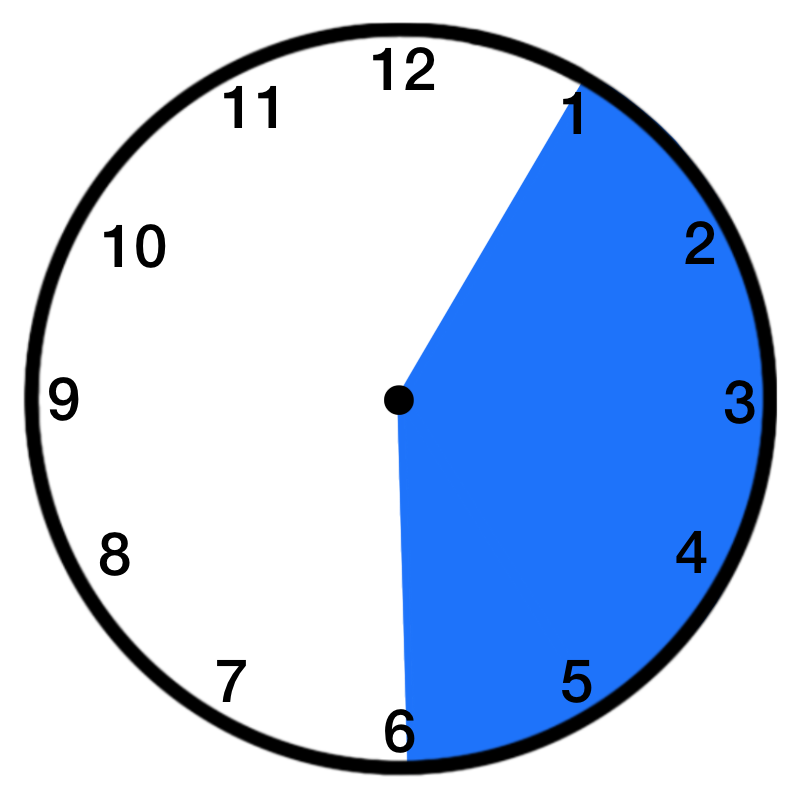
It started off with this time of day being so friggin early that they don't really have a designated instrument. They just used any metal they could find and "hit" it to make sounds. One hit is 1 AM, 2 hits is 2 AM, and so on. The word for "hit" in Thai is ตี. Thus, the time "ตี" begun.
| word | meaning | pronunciation |
|---|---|---|
| ตีหนึ่ง | 01:00 AM | |
| ตีสอง | 02:00 AM | |
| ตีสาม | 03:00 AM | |
| ตีสี่ | 04:00 AM | |
| ตีห้า | 05:00 AM |
...โมงเช้า
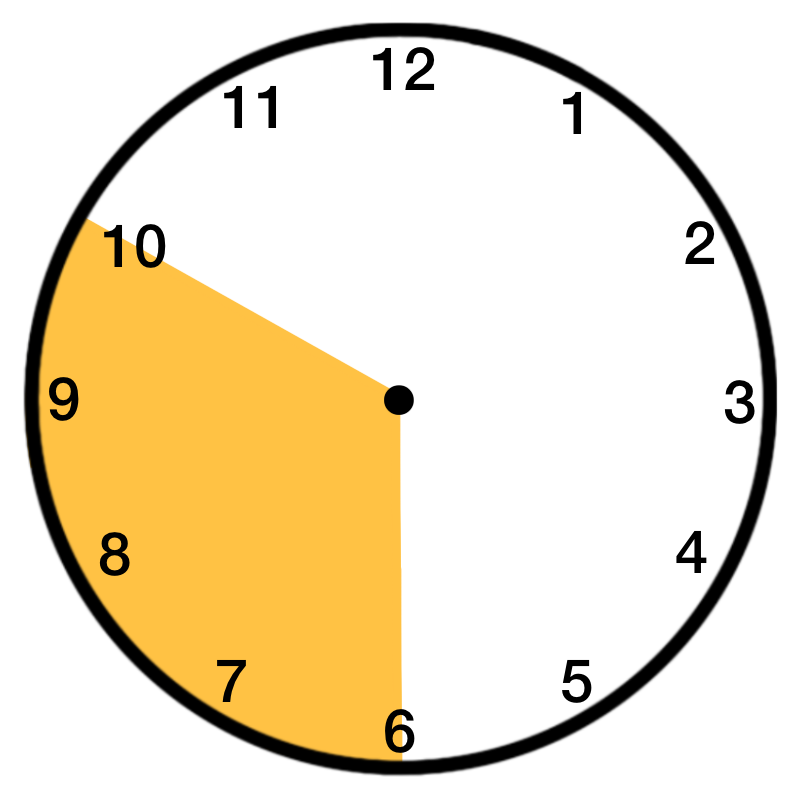
Wake up sleepy heads! It's time to start your day. They give you a little wake up call by banging on the gong. The sound that the gong makes goes "โมง~~", so โมง is the echo of the gong that they used back in the days. The word เช้า just means morning. โมง will come up more in the day. Any time that the sun is out, it will be โมง.
| word | meaning | pronunciation |
|---|---|---|
| หกโมงเช้า | 06:00 AM | |
| เจ็ดโมงเช้า | 07:00 AM | |
| แปดโมงเช้า | 08:00 AM | |
| เก้าโมงเช้า | 09:00 AM |
...โมง
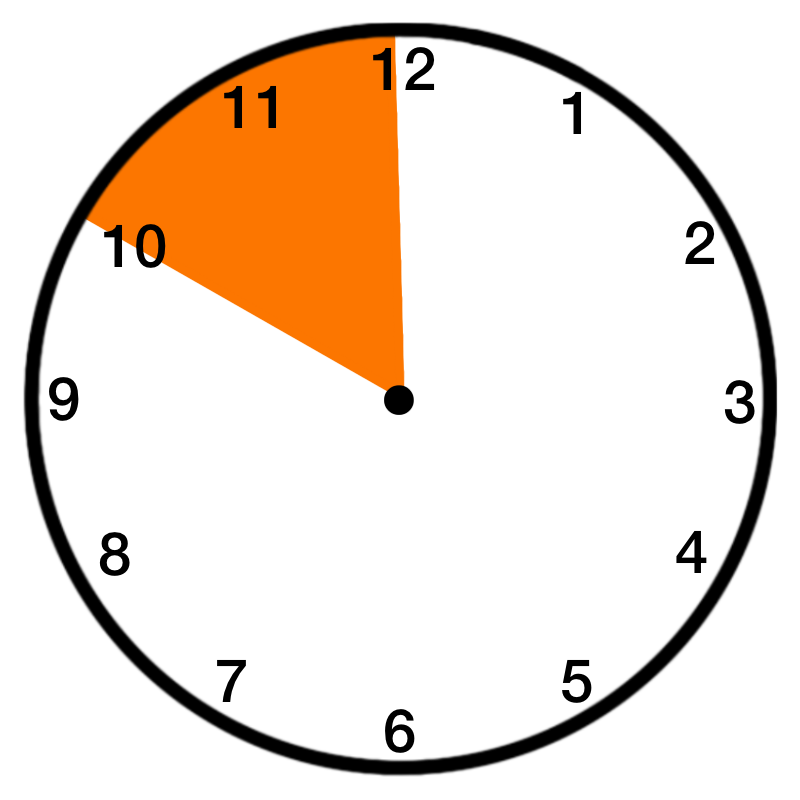
These are the times that people don't really say เช้า anymore. You can still add it if you want to, but generally, Thai people will call this time period สาย, which means late. So when people are telling you to meet them สายๆ, it doesn't mean that they're telling you to be late or that they will be late. It means that they probably want to meet around 10 AM -11:59 AM-ish, sometimes 9, even.
| word | meaning | pronunciation |
|---|---|---|
| สิบโมง | 10:00 AM | |
| สิบเอ็ดโมง | 11:00 AM |
บ่าย...โมง
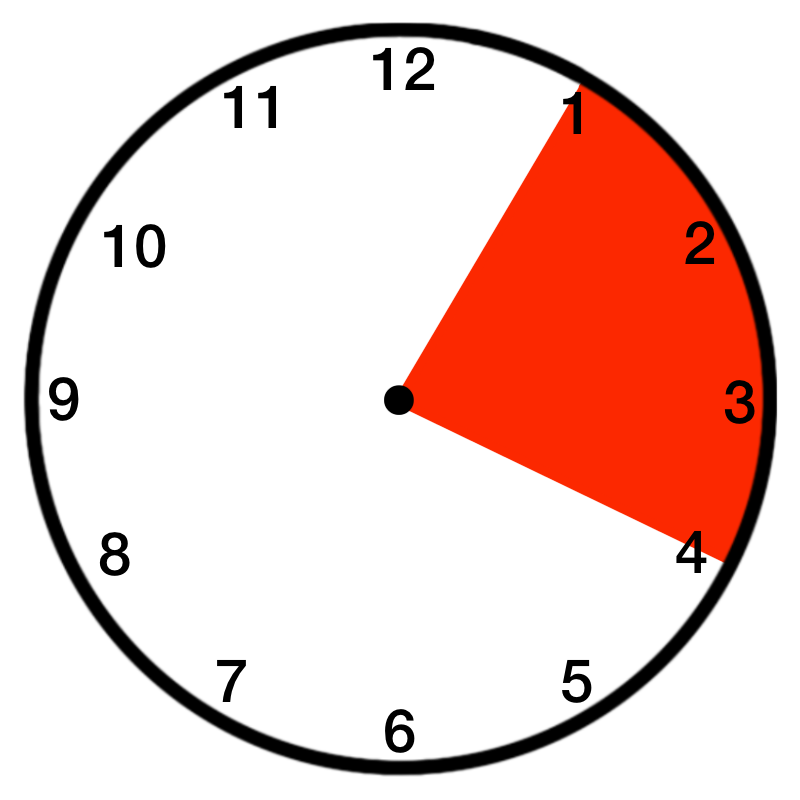
บ่าย means afternoon. People don't say บ่ายหนึ่งโมง for 1 PM, because... why not? Like in math, 1x is just x, right? I'm a math tutor, I needed to throw that in there. I'll prove the inconsistency of this language later. Just say บ่ายโมง for 1 PM
| word | meaning | pronunciation |
|---|---|---|
| บ่ายโมง | 01:00 PM | |
| บ่ายสองโมง | 02:00 PM | |
| บ่ายสามโมง | 03:00 PM |
...โมงเย็น
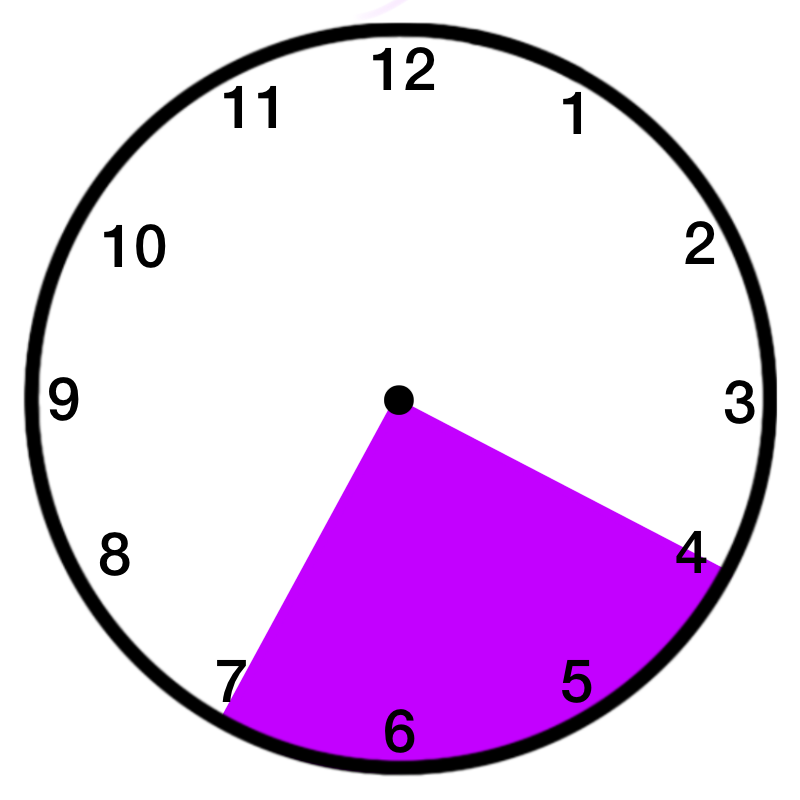
เย็น means evening, well it also means cold. Evening is when it gets colder. TADA!
| word | meaning | pronunciation |
|---|---|---|
| สี่โมงเย็น | 04:00 PM | |
| ห้าโมงเย็น | 05:00 PM | |
| หกโมงเย็น | 06:00 PM |
...ทุ่ม
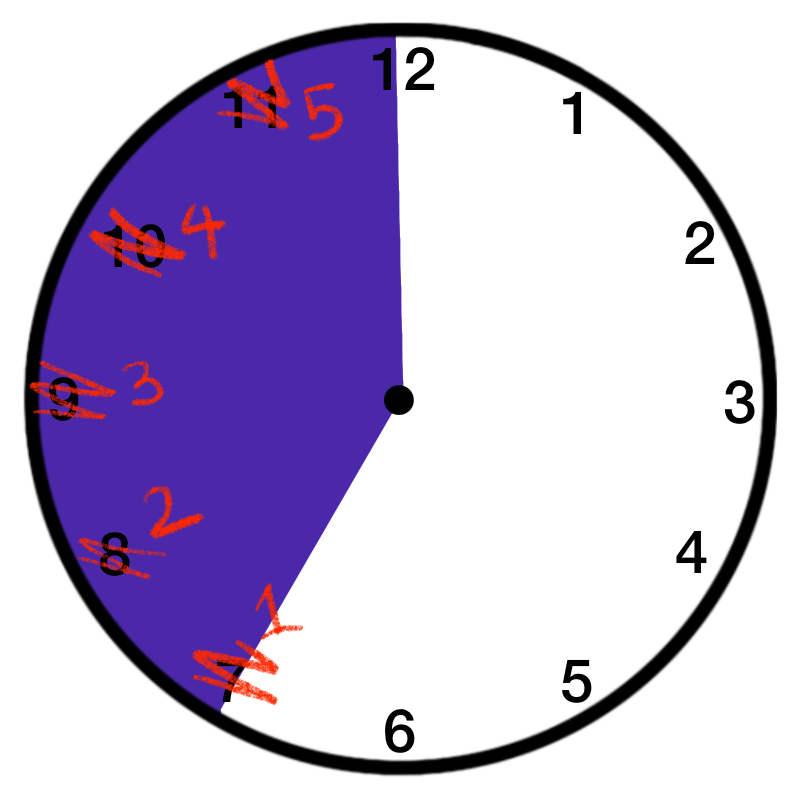
Everybody's problem child, when we start counting from one. ทุ่ม is the sound of the drum that they used to strike to signal the night time. It's late, everybody's tired. No one is striking the friggin drum 7, 8, 9, 10, 11 times to tell you the time. They're like I'm gonna start over since it's a new instrument now, just count from 1,2,3,4,5.
| word | meaning | pronunciation |
|---|---|---|
| หนึ่งทุ่ม | 07:00 PM | |
| สองทุ่ม | 08:00 PM | |
| สามทุ่ม | 09:00 PM | |
| สี่ทุ่ม | 10:00 PM | |
| ห้าทุ่ม | 11:00 PM |